How Do Porta Potties Work?
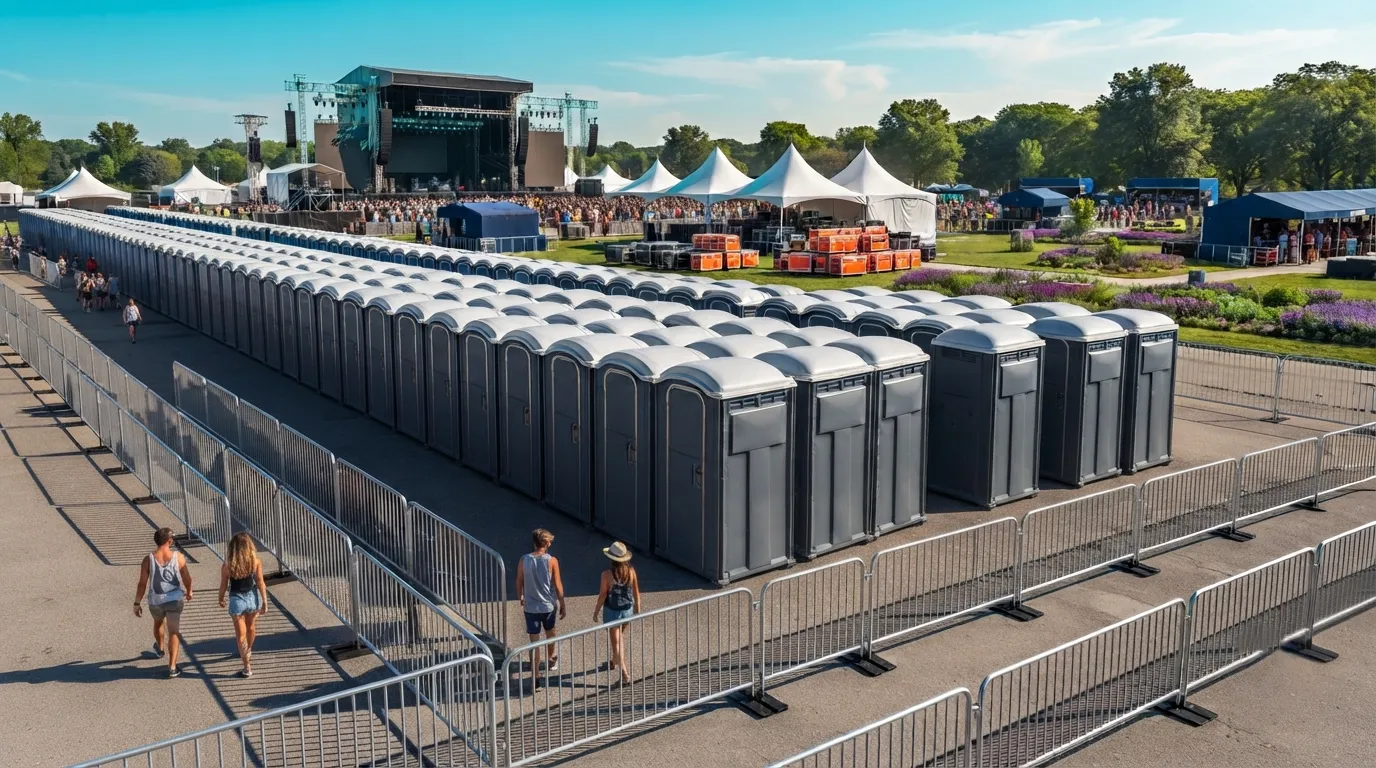
Under the seat sits a holding tank, usually 60 to 70 gallons on a standard unit. That tank holds a mix of water and blue chemical, called portable toilet chemicals, that breaks down waste and knocks down odor between services. There's no flush, no float, no moving parts to fail. A vent stack pulls air up through the roof so the inside doesn't build up smell on a hot Poinciana afternoon. When a construction worker walks off a job site to use one, the whole visit takes seconds because the system asks nothing of the user beyond opening the door. Service technicians pump the tank, refill the chemical, and restock paper on a set interval. ANSI/PSAI Z4.3 sets the baseline service interval at once a week for up to 10 users over a 40 hour work week, which is why job sites with more crew need either more units or tighter service cycles. You can check unit counts against crew size on our how many porta potties do I need guide before you book.
How Does a Flushable Porta Potty Work?
A deluxe flushable unit adds a small onboard freshwater tank and a foot pump or pedal that pushes a rinse of water through the bowl after use. It still drains into the same style of holding tank below, just with a cleaner rinse cycle instead of chemical-only breakdown. These units run higher than a standard model, priced from 85 to 1200 dollars a day depending on features, because they carry more hardware and need more service attention. Weddings and higher-end events near Poinciana tend to request these over standard units. If you're comparing costs across unit types before an event, our porta potty rental cost page breaks down what drives the price difference.
How Does a Portable Sink Work?
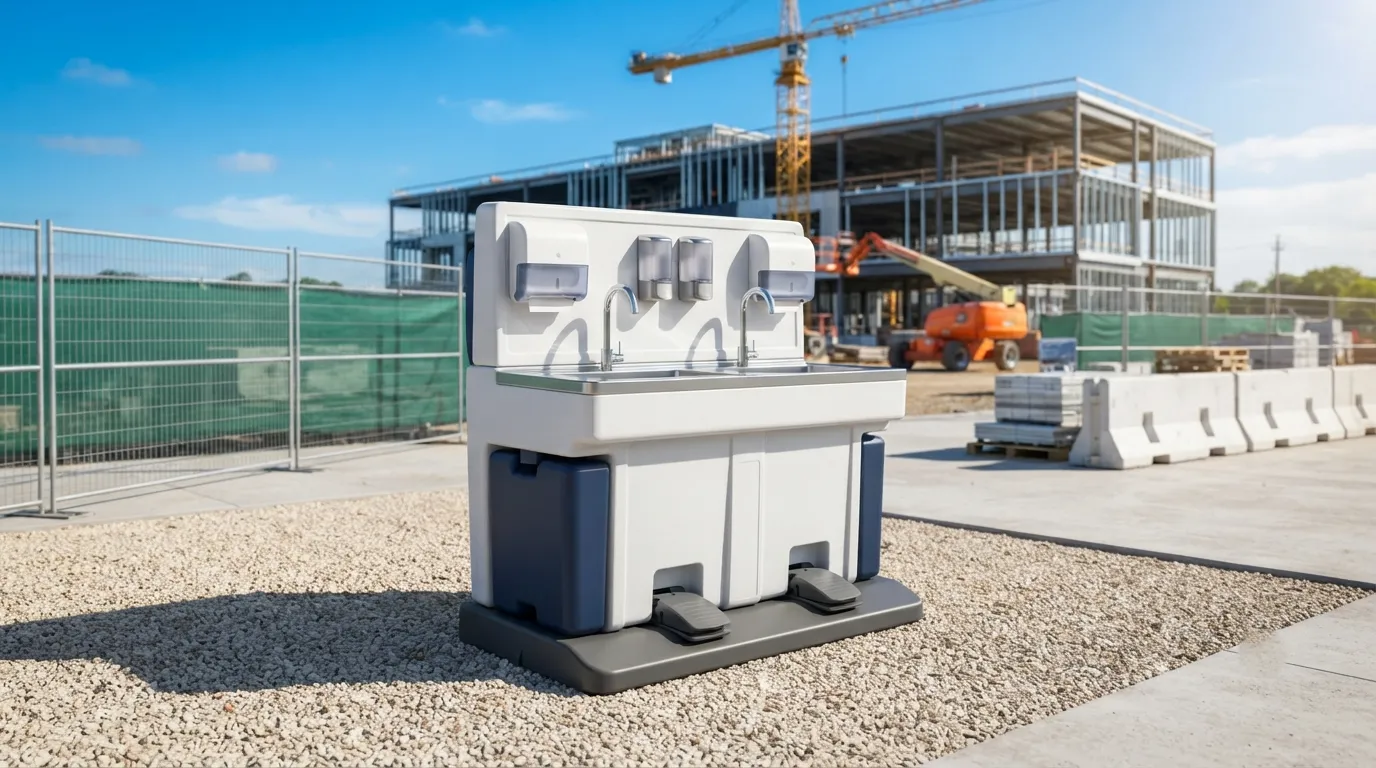
A portable sink carries its own freshwater supply in a tank, usually with a foot pump or hand pump to push water through the faucet, and a separate holding tank underneath to catch greywater. No pipes, no hose bib needed. Soap dispensers mount on the unit, and towels or a hand-drying device have to be present too, since 29 CFR 1910.141(d)(2) is specific that hand sanitizer alone doesn't satisfy a washing requirement. That distinction matters most on job sites where crews handle paints, coatings or chemicals, since OSHA 1926.51(f)(1) requires washing facilities anywhere workers apply paints, coatings, herbicides or insecticides. A handwashing station pairs naturally with any restroom setup on a work site, and our handwashing requirements page covers when one is required versus just smart practice.
Do Camping Porta Potties Work Differently?
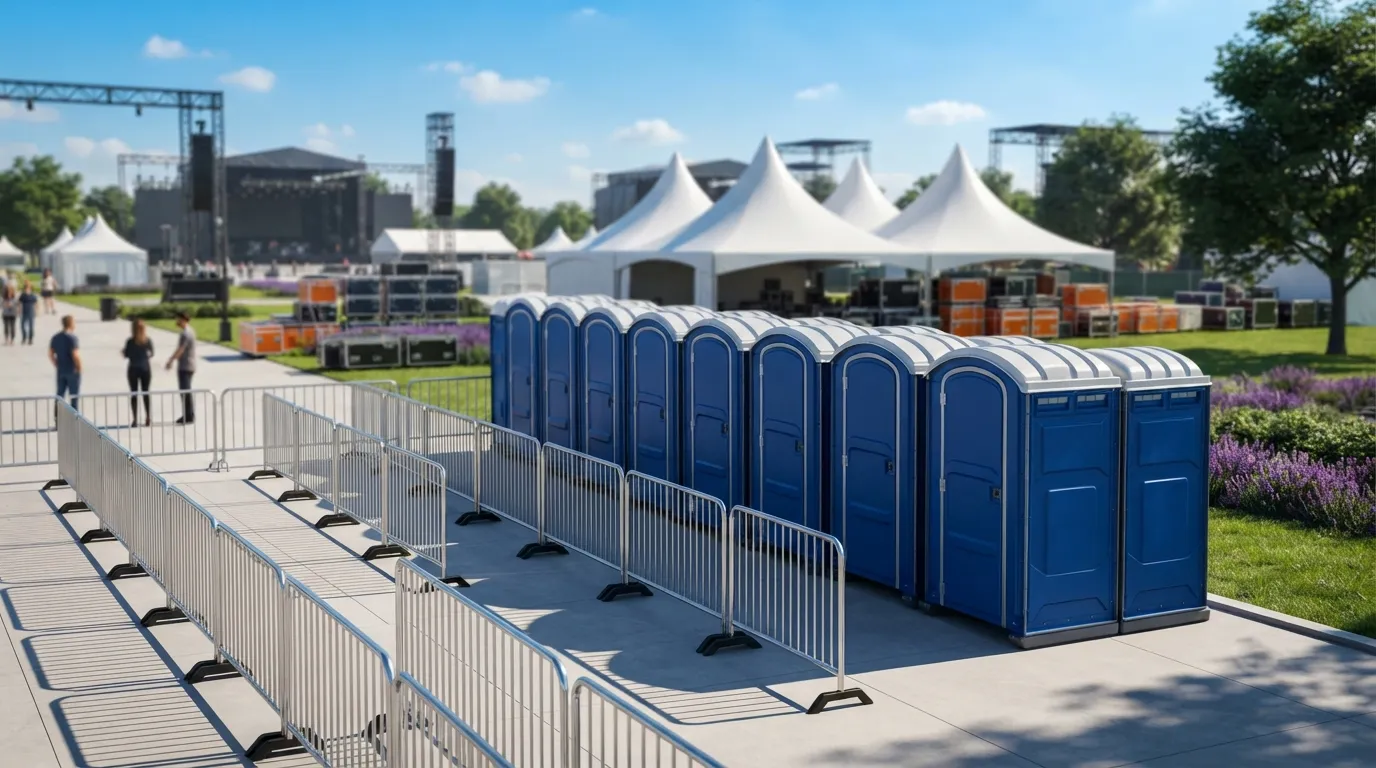
Camping and event-style units work the same way mechanically, just scaled for shorter stays and lighter traffic. A camping porta potty at a weekend event near Poinciana runs a similar tank-and-chemical setup to a job site unit, though weekend pricing runs higher than a comparable weekday day rate because of the tighter turnaround service crews have to manage. An ADA accessible unit works the same internally but adds a wider footprint, a 60 inch turning circle per ADA Standards 304.3.1, and door clearance meeting the 32 inch minimum under ADA Standards 404.2.3. Where units are clustered for an event or job site, ADA Standards 213.2 requires at least 5 percent of the cluster be accessible, never fewer than one. Ground surfaces under any unit should stay stable and firm, per ADA Standards 302.1, which is a real placement issue on grass sites around Poinciana after rain.
Unit Types and How They Differ
| Unit Type | How Waste Is Handled | Typical Day Rate |
|---|---|---|
| Standard | Chemical tank, no flush | 100 to 350 |
| Deluxe flushable | Onboard water rinse | 85 to 1200 |
| ADA accessible | Chemical tank, wider cabin | 200 to 400 |
| Restroom trailer | Flush plumbing, holding tank | 175 to 2500 |
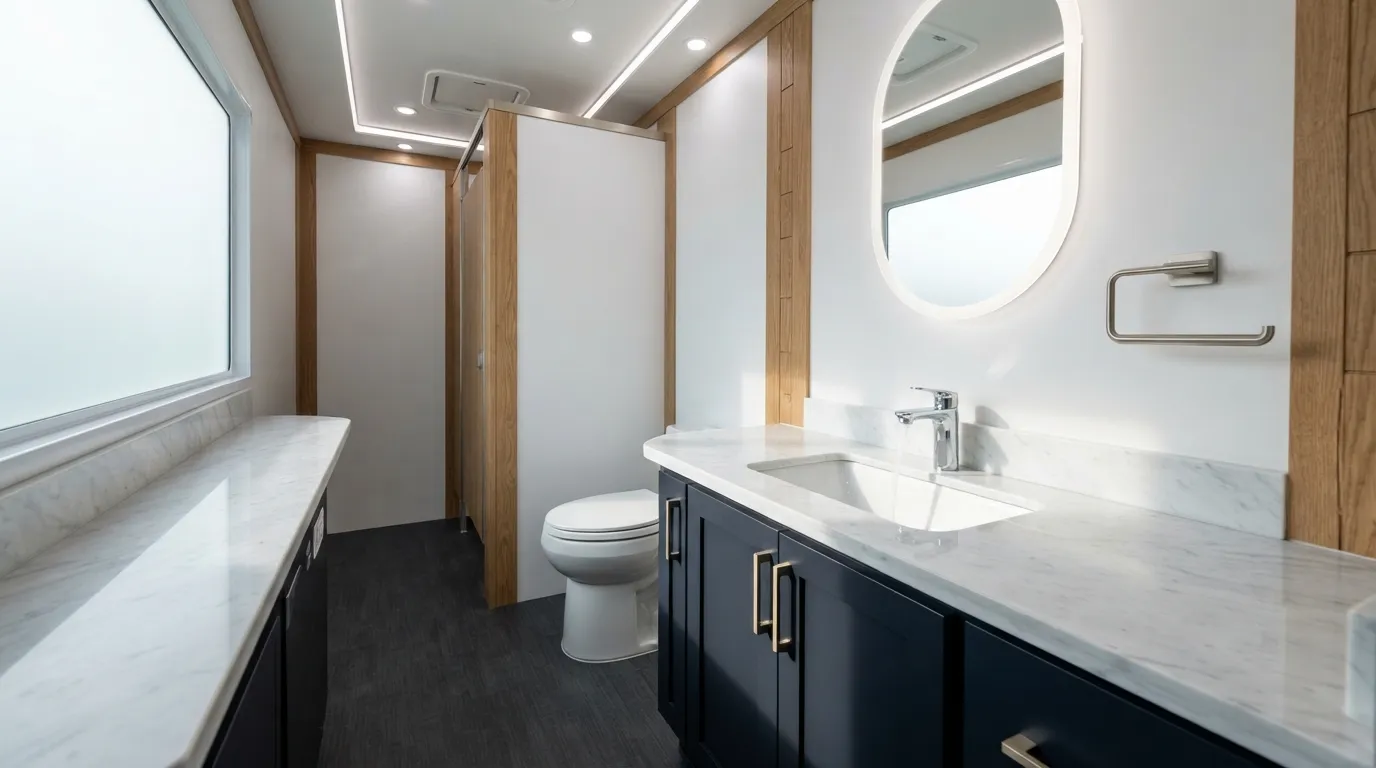
For anything beyond a single unit, a restroom trailer works like residential plumbing, with a freshwater supply feeding real flush toilets and sinks, draining to an onboard holding tank that gets pumped like a septic tank. Our 2 stall and 4 stall options cover most events; job sites in Poinciana comparing options against standard units can check porta john rental or portable restroom rental for side by side specs.
Frequently Asked Questions
Do porta potties smell?
They shouldn't, if serviced on schedule. The vent stack and blue chemical are designed to control odor between pump-outs. Heat and infrequent service cause smell complaints, not the unit design itself. See our do porta potties smell page for what actually causes it.
How often are porta potties cleaned?
Standard service is weekly under the ANSI/PSAI Z4.3 baseline for up to 10 users over a 40 hour week. High-traffic events or larger crews need more frequent visits. Full detail is on our how often are porta potties cleaned page.
What chemicals go in a porta potty?
A blue deodorizing chemical mixed with water sits in the tank to break down solids and mask odor. It's not the same as septic tank cleaning chemicals used in a home system, which work on a much larger tank over years, not days.
How many porta potties does a job site need?
OSHA 1926.51(c) sets ratios by crew size: one toilet for 20 or fewer workers, then additional fixtures as headcount rises. Our OSHA portable toilet requirements page walks through the full table.
Can I place a porta potty anywhere on my property?
Placement in the public right of way needs confirming with the City before you set a unit there. Check our porta potty placement guide and porta potty permit requirements pages, or call ahead of delivery day.
Next step
Get a delivery date
Tell us the address, the dates and the headcount. We size the order and confirm the route.