
How Often Does A Septic Tank Need Cleaning?
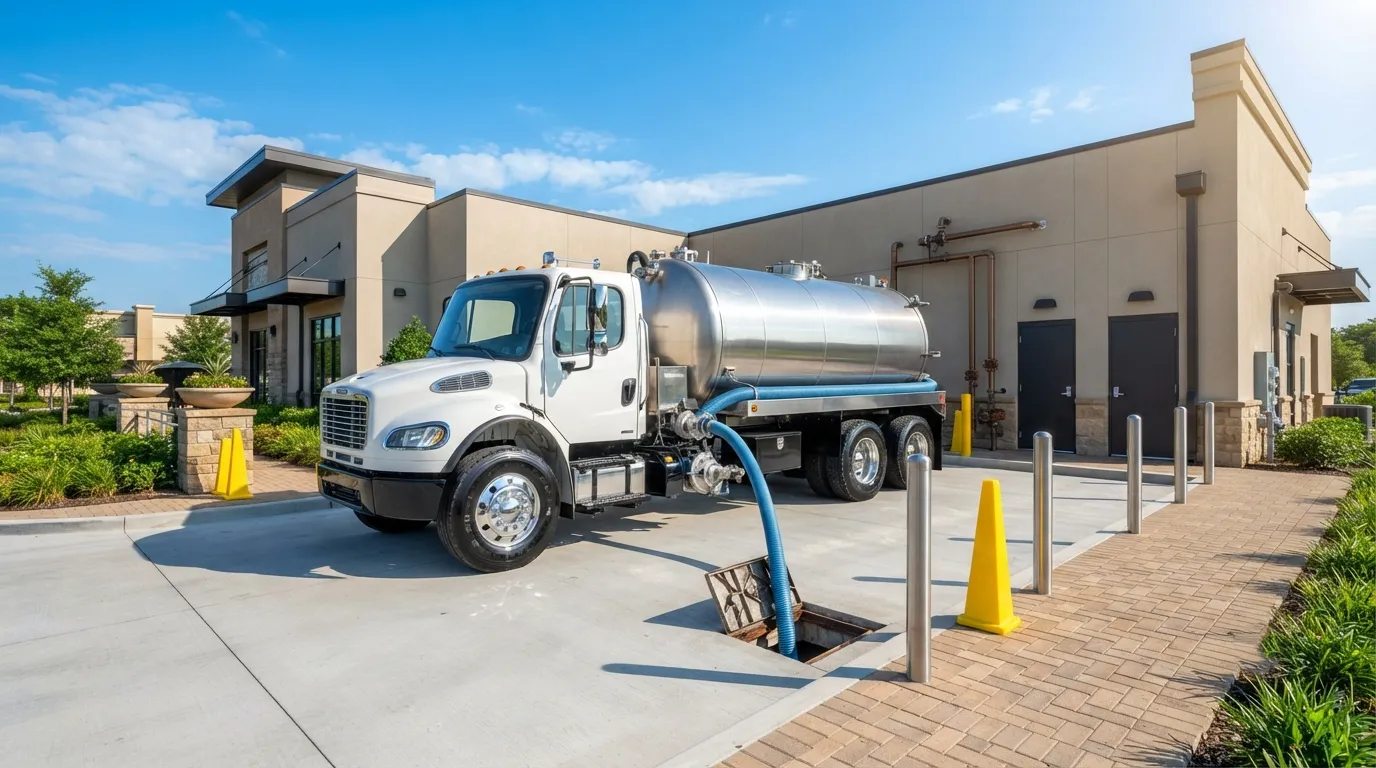
Three to five years covers most households, but it's a range for a reason. A family of six flushing through a 1,000 gallon tank works it a lot harder than a couple in the same house. Solids settle at the bottom, scum floats on top, and if that layer gets too thick, it starts moving into the drain field where it doesn't belong, the kind of problem covered in our septic tank cleaning page. Once that happens, you're looking at repairs that cost a lot more than a pumping visit. If you're renovating in Poinciana and running extra bathroom traffic through the house during the project, check our home renovation porta potty page to keep the load off your system entirely while crews are on site. Commercial kitchens have a different clock, and it's worth reading up on before you assume residential rules apply: a grease interceptor gets pumped once fats, oils, grease and solids hit 25 percent of the liquid depth, which can mean monthly service instead of years. If that's your situation, look at grease trap pumping instead of a residential pumping frequency. For most Poinciana homes, though, the 3 to 5 year window is the number to plan around, and pushing past it is where trouble starts, so it helps to bookmark septic tank warning signs before you need it.
What Are The Warning Signs My Septic Tank Needs Pumping?
Slow drains, gurgling pipes, and standing water near the drain field are the first signs something's backing up. A sewage smell in the yard, especially after rain, usually means the tank is at or past capacity. Don't wait for a backup into the house to call someone, and if you're weighing septic tank pumping cost against a repair bill, the pumping visit almost always wins. Our septic tank warning signs page walks through what to watch for room by room. If you're already seeing standing water or smelling sewage, that's not a scheduling question anymore, that's an emergency septic service call. Poinciana properties on well water and septic together need extra attention here, since a failing drain field can eventually affect groundwater near the well, a risk worth reviewing on our handwashing station requirements page if you're also managing water use on a work site. Catching it early is cheaper every time. A routine septic pumping service visit costs far less than replacing a drain field, and most companies can tell you during the visit how much longer your current tank has before the next one's due. Keep a simple log of pump dates, the same way a job site logs its porta potty rental checklist items. It turns a guess into a real maintenance schedule instead of waiting for a crisis to remind you.
Why Does Septic Tank Cleaning Frequency Vary So Much?
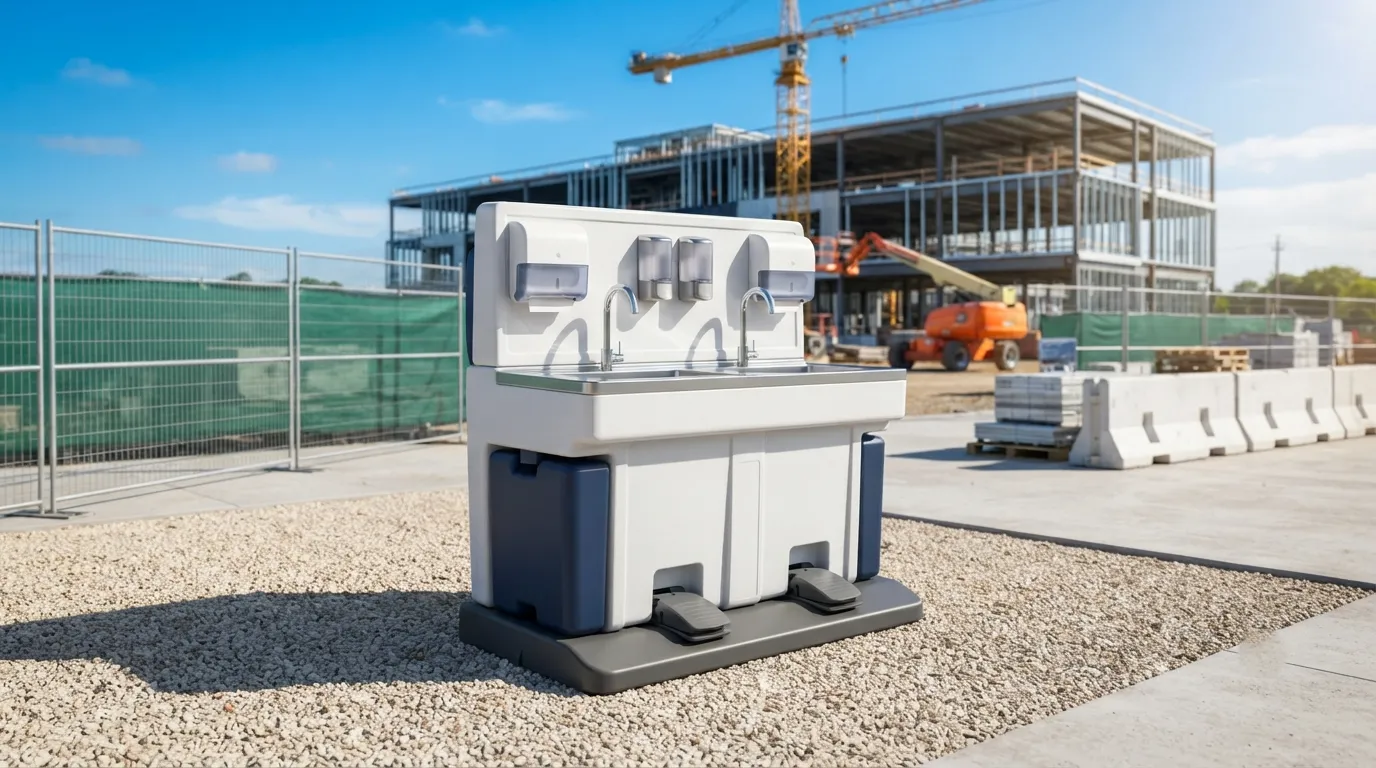
Tank size and household size drive most of the variation. A larger tank buys more time between visits; more people in the house shrinks that time. What goes down the drains matters too. Grease, wipes, and heavy chemical use all add strain a smaller household without those habits wouldn't have. Soil conditions around Poinciana play a role as well, since drainage varies by property and affects how forgiving your drain field is, similar to how porta potty placement guide factors matter for surface stability. If you're building new or adding a bathroom, it's worth checking septic tank cleaning alongside your porta potty permit requirements process rather than after the fact. Event and construction sites face a different math entirely: they're not measured in years, they're measured in daily use, the same logic behind construction site services planning. If you're running a temporary crew or hosting an outdoor event without a septic tie-in at all, a rented unit avoids the tank question completely. See portable toilet rental, or for something closer to home comfort, restroom trailer rental, and if it's a weekend gathering rather than a job site, event restroom rental is the better fit.

Do I Need A Permit To Have My Septic Tank Pumped?
No permit is typically needed just to pump an existing tank, since it's routine maintenance rather than new construction or a system modification. That said, requirements can shift depending on the scope of work, so anything beyond a standard pump-out is worth confirming with the city before scheduling, the same caution we give on dumpster permit requirements for other site work. Poinciana sits about 12.6 miles east of Haines City and 13.7 miles south of Campbell, and permit desks can differ between jurisdictions even a short drive apart, so don't assume Haines City rules apply here. For general reference on what typical septic costs look like across the region, septic tank pumping cost breaks down what affects the price, and our dumpster rental cost page follows the same format if you're budgeting a larger cleanup project. If your project also involves temporary sanitation, like a holding tank rental while the system's being serviced, that's a separate conversation from the pumping itself, and it's one Poinciana Porta Pros can help coordinate on the same call, alongside a handwashing station rental if crews need it or a storage container rental for equipment on site.

Frequently Asked Questions
How do I know what size septic tank I have?
Check your county property records or the original permit paperwork from when the system was installed. If you can't find it, a pumping technician can usually estimate tank size during a service visit based on the lid location and depth. This matters because tank size is half of the pumping frequency equation.
Can I pump my own septic tank?
It's not recommended. Septic waste involves confined space hazards and pathogens that require proper equipment and disposal permits most homeowners don't have. Professional pumping also includes an inspection of tank condition, baffles, and the drain field, which catches problems early instead of just moving waste.
What happens if I never pump my septic tank?
Solids build up until they overflow into the drain field, clogging the soil that's supposed to absorb wastewater. Once a drain field fails, it often needs full replacement rather than repair. That's a significant cost jump compared to staying on a 3 to 5 year pumping schedule.
Does household size really change how often I need pumping?
Yes, significantly. A larger household sends more wastewater and solids into the tank every day, filling it faster than a smaller household would with the same size tank. Two identical tanks on the same street can need pumping years apart just based on how many people live there.
Is a full tank the same as a failing tank?
Not always, but a full tank left too long becomes a failing one. A full tank just needs scheduled pumping. A tank that's overflowed into the drain field has moved into repair territory, which is why catching the timing matters more than reacting to symptoms.
Next step
Get a delivery date
Tell us the address, the dates and the headcount. We size the order and confirm the route.